
A flashlight is usually the first thing people think of when they need light away from a wall socket.
But there are situations where holding a flashlight is the problem.
You might be carrying something down a dark staircase, repairing a bike, setting up a tent, walking outside after sunset or trying to find something during a power cut. In those situations, both hands are already occupied.
That is where a headlamp becomes useful.
A rechargeable headlamp puts the light on your head rather than in your hand. It is a small difference, but it changes how useful the light can be for certain jobs.
And despite being strongly associated with hiking and camping, outdoor activities are only part of the reason someone in Nepal might keep one around.
A headlamp solves a different problem from a torch
A conventional flashlight is better when you want to point a beam somewhere while keeping the light separate from your body.
A headlamp follows the direction you are looking.
That makes it particularly convenient when you need both hands free.ep
Think about simple situations:
- Checking something during a power cut
- Repairing a bicycle or motorcycle
- Working underneath a desk or vehicle
- Walking through a dark path
- Setting up a tent at night
- Sorting equipment in a dark storage area
- Reading or working where there is limited light
You could use a phone flashlight for some of these jobs, but holding your phone for several minutes is not particularly convenient.
A headlamp is designed around that hands-free use.
It is not only for trekking
The connection between headlamps and trekking is understandable. Hikers and campers often need portable lighting after sunset, particularly when setting up camp or moving around unfamiliar areas.
But limiting a headlamp to trekking misses some of its more ordinary uses.
For someone living in Nepal, a rechargeable headlamp can also be useful around the house. Power interruptions, dark stairways, rooftop work and outdoor repairs are all situations where having both hands available can matter.
Nephot’s current rechargeable headlamp is listed at Rs. 1,499 and includes four lighting modes, a rechargeable battery, adjustable headband, adjustable beam angle and a water-resistant design.
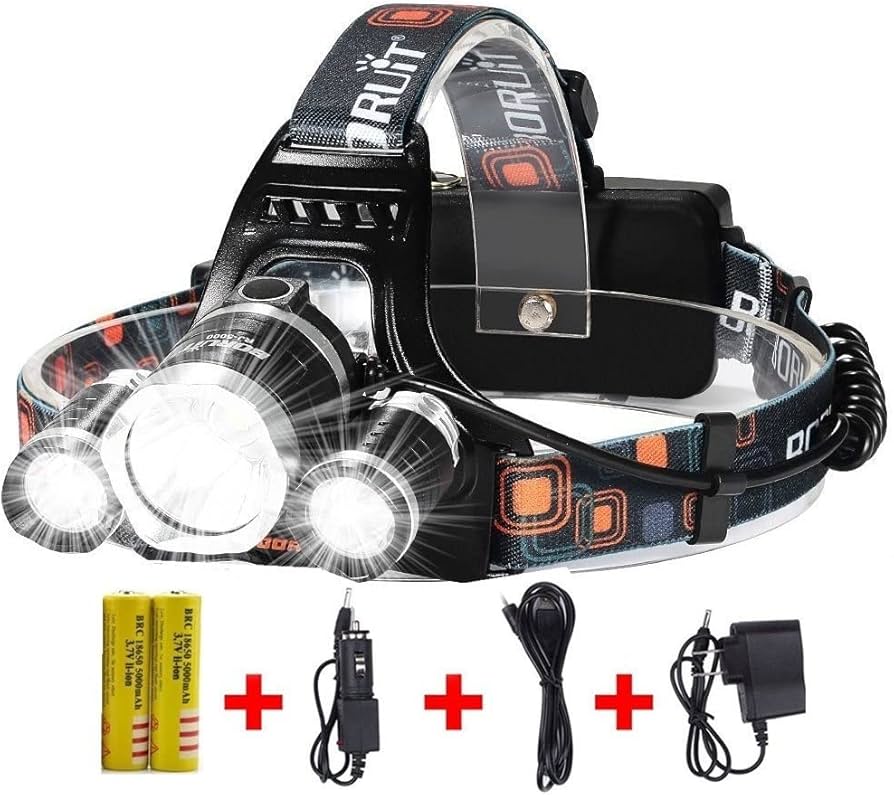
Those features make it relevant beyond a single type of outdoor activity.
During a power cut, hands-free lighting is surprisingly practical
A power cut is one of those situations where the difference becomes obvious.
You may need to find a candle, check a fuse, move something, go downstairs or look for another light source.
A normal torch works perfectly well if you only need one hand.
But if you are carrying a bag, moving furniture, checking an electrical panel or trying to find something in a cupboard, having the light attached to your head leaves both hands available.
It also means you do not have to keep adjusting the direction of a flashlight while moving around.
A headlamp should not be treated as a substitute for every emergency-lighting solution, but keeping one charged can give you another option when normal lighting is unavailable.
For repairs, the hands-free advantage matters even more
Consider a small repair underneath a table.
One hand holds the tool.
The other hand holds the part.
Now there is no hand left for the flashlight.
This is exactly the sort of situation where a headlamp earns its place.
The same idea applies to bicycle repairs, checking a vehicle at night, fixing plumbing underneath a sink or working in a dark storage area.
You do not necessarily need an extremely powerful light for these tasks. What matters is having the beam where you are looking while both hands remain available.
That is why the hands-free aspect is often more important than the headline brightness figure.
Camping and hiking are where the format really shines
Outdoor use remains one of the strongest reasons to own a headlamp.
A flashlight can illuminate a trail, but a headlamp lets you walk while keeping your hands available for balance, carrying equipment or handling trekking poles.
At camp, the same advantage becomes useful when putting up a tent, arranging equipment or preparing things after sunset.
Nephot’s model is specifically listed for camping, hiking, running and cycling, alongside work and emergency use.
For someone who occasionally goes camping rather than frequently trekking, one headlamp can still have plenty of uses at home between trips.
Nepal’s roads and outdoor conditions make durability relevant
A headlamp intended for outdoor use will encounter different conditions from a desk lamp.
You may use it outside during light rain, carry it in a backpack, put it down on rough ground or use it while cycling or walking.
That makes construction and weather resistance worth checking.
Nephot’s current listing describes its headlamp as waterproof and durable, and specifies a water-resistant design for outdoor use.
There is an important distinction here: a product being described as waterproof or water-resistant does not mean it should be treated as suitable for every level of water exposure. Check the manufacturer’s stated rating and limitations before relying on it in heavy rain.
Brightness numbers need some context
One of the first things you will notice when comparing headlamps online is the lumen figure.
Nephot’s listed model is marketed with a 6000-lumen figure.
But brightness should not be the only thing you compare.
A useful headlamp also needs a beam that works for the task, a comfortable headband, suitable brightness modes and enough battery life for the time you expect to use it.
For example, extremely bright light can be unnecessary for reading or working at close range. A lower setting can be more comfortable and conserve battery.
This is one reason multiple lighting modes are useful.
Different modes are more than a marketing feature
Nephot’s headlamp listing specifies four lighting modes.
Multiple modes allow the same device to be used differently.
You might want stronger illumination outdoors, but a lower setting indoors. A flashing or SOS mode may have a different purpose from a normal continuous beam.
The important thing is whether the modes are easy to switch between.
A headlamp with many settings is not particularly useful if changing between them is awkward while wearing it.
Rechargeable or battery-powered?
Rechargeable models have one obvious advantage: you do not need to keep replacing disposable batteries.
You simply recharge the built-in battery when necessary.
Nephot’s current headlamp uses a rechargeable battery and USB charging.
That can be convenient for people who use the headlamp regularly.
There is, however, one trade-off. A rechargeable headlamp needs to be charged before you need it.
If you keep it in an emergency drawer and never check the battery, the fact that it is rechargeable will not help much during an unexpected power cut.
For occasional emergency use, charging it periodically is therefore part of keeping it ready.
Weight and comfort are easy to overlook
A headlamp sits directly on your head, so weight matters differently from a normal flashlight.
If you are using it for ten minutes while fixing something, comfort may not be a major concern.
If you are wearing it for a long hike, cycling session or outdoor task, the headband and weight become much more noticeable.
Nephot describes its model as lightweight and includes an adjustable headband.
The listed product weight is 0.1 kg, although specifications and actual configurations can vary between products.
Comfort is therefore worth considering alongside brightness.
A headlamp can also be useful for cycling and running
Hands-free lighting has an obvious advantage when you are moving.
A headlamp can illuminate the area ahead while leaving your hands available to control a bicycle or maintain balance while running.
However, a headlamp should not automatically be considered a complete visibility solution for road use.
If you are cycling at night, you may also need appropriate front and rear visibility equipment depending on where you ride.
The headlamp’s role is primarily to provide illumination where you are looking.
Headlamp vs flashlight
| Situation | Headlamp | Handheld flashlight |
|---|---|---|
| Repairing something | Very convenient | Requires a free hand |
| Hiking | Hands-free | One hand occupied |
| Power cut | Useful | Useful |
| Checking a distant object | Less flexible | Easier to point independently |
| Reading | Convenient | Can work |
| Cycling | Useful for illumination | Requires mounting or a free hand |
| Camping | Very useful | Useful |
| General household use | Depends on task | More versatile for pointing |
Neither format replaces the other completely.
A handheld flashlight remains useful when you need to point the beam somewhere other than where your head is facing. A headlamp becomes more attractive when the main problem is keeping your hands free.
What about a normal phone flashlight?
A phone flashlight is convenient because you already carry the device.
For a quick search under a bed or finding your way across a room, it may be all you need.
The problem appears when the task lasts longer.
You may need both hands, want to conserve your phone battery, or need a light while carrying something. Holding a phone in your mouth is not exactly a great lighting strategy.
A dedicated headlamp separates the two jobs: your phone remains available for communication, navigation or other tasks, while the headlamp handles illumination.
What makes sense for different users?
For occasional home use: A basic rechargeable headlamp can be useful as an extra light source without taking much storage space.
For trekking and camping: Comfort, battery life, weather resistance and useful brightness levels become more important.
For repair work: Beam direction, hands-free operation and comfortable wear may matter more than maximum brightness.
For runners or cyclists: Weight, secure fit and visibility considerations deserve attention.
For emergency use: Rechargeability is useful, but keeping the battery charged is essential.
For someone who already owns a good flashlight: A headlamp is most worthwhile if there are situations where having both hands free would genuinely help.
Price is only one part of the comparison
Nephot currently lists its rechargeable headlamp at Rs. 1,499, reduced from Rs. 2,000 at the time of checking.
The Nepal market contains headlamps across a wide range of prices and specifications, from inexpensive basic lights to branded outdoor models. Current marketplace listings also show substantial variation in brightness claims, battery types, waterproofing and features.
That makes direct price comparison less useful unless the products are doing roughly the same job.
A Rs. 500 headlamp and a Rs. 1,500 headlamp may both produce light, but the differences could be in battery design, construction, comfort, modes or other features.
The right comparison depends on what you actually need the light to do.
One small accessory can make a difference during a trip
A headlamp is most useful when it is easy to reach.
If you are going camping, keeping it buried at the bottom of a backpack defeats some of its purpose.
The same applies to emergency use at home. Store it somewhere you can find quickly, and check the charge periodically.
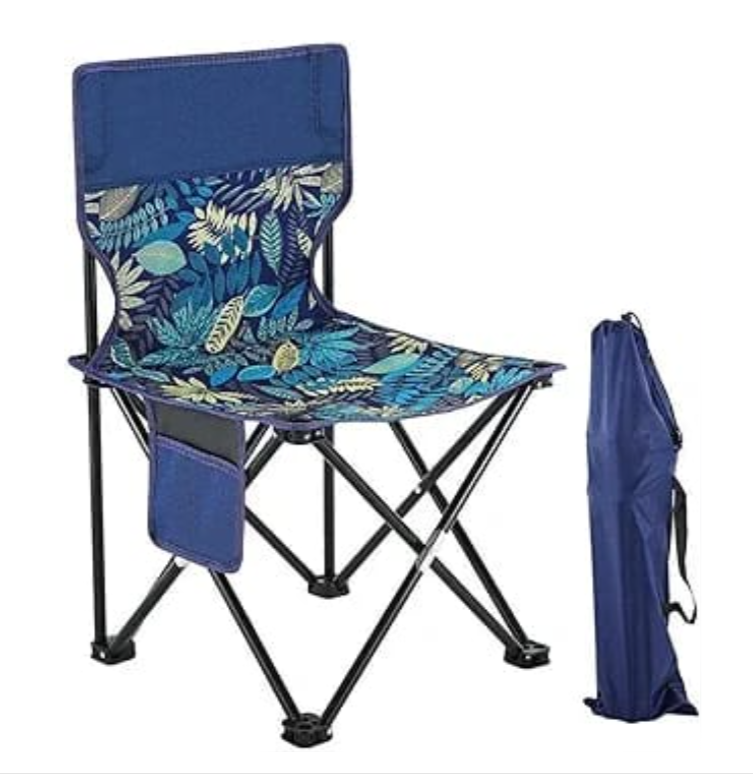
For outdoor trips, Nephot also currently lists a portable folding camping chair designed for camping, fishing, picnics and travel. It is a completely different product, but it illustrates the broader point: outdoor equipment tends to be most useful when it is selected around the actual activity rather than simply collected as “camping gear.”
Is a rechargeable headlamp worth keeping around?
For a regular hiker, camper or outdoor worker, the answer is fairly straightforward.
For everyone else, it depends on whether hands-free lighting solves a problem you actually encounter.
If you only need a flashlight once every few months to find something in a dark room, your phone or an ordinary torch may be enough.
But if you have dealt with power cuts, nighttime repairs, camping trips, dark storage areas or outdoor work, a rechargeable headlamp can be one of those inexpensive tools that becomes useful precisely when you need it.
Nephot’s rechargeable headlamp is currently one option in this category, with rechargeable power, four lighting modes, an adjustable headband and a listed water-resistant design. You can look the product here.
The bigger point is not that everyone needs a headlamp.
It is that a headlamp does one thing a conventional torch cannot do as conveniently: give you light without taking one of your hands.
For the right situation, that small difference is the whole reason to have one.