
There are some places where a cloth is just the wrong tool.
Dust gets into the gap around a keyboard. Leaves collect in a corner of the balcony. Dirt settles around the edges of a car seat. Small particles end up inside vents, shelves and other awkward spaces where reaching in with a cloth becomes more work than the cleaning itself.
That is where an air blower becomes useful.
Instead of picking up the dirt, it pushes loose dust and debris away with moving air.
That sounds simple because it is. But a blower is not a replacement for every other cleaning tool. It works particularly well when the problem is loose material sitting somewhere difficult to reach.
Nephot currently lists a Cordless Turbo Jet Blower and Multi-Purpose Power Cleaner for Rs. 1,699. The product is described for home, vehicle, workshop, garden and outdoor cleaning, including corners, gaps, vents and other tight areas.
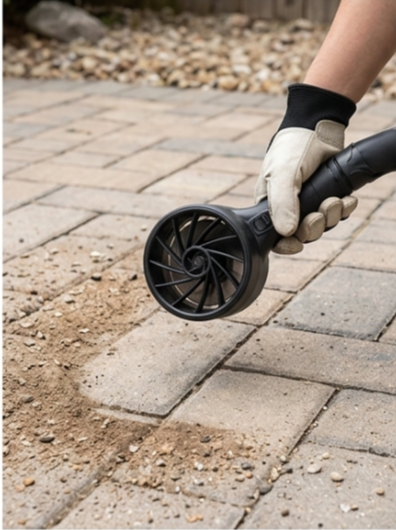
The interesting part is not the word “turbo.”
It is the range of small cleaning jobs where directed airflow can save time.
What does an air blower actually do?
Think of it as a way to move loose debris without physically touching it.
A cloth picks up dust.
A vacuum sucks it up.
A blower pushes it away.
That last part is extremely useful when the thing you are cleaning has narrow gaps or awkward surfaces.
For example, imagine dust sitting between the buttons of a keyboard. Getting a cloth into every gap is difficult. A blower can direct air into those spaces and dislodge the loose particles.
The same idea applies to vehicle interiors, shelves, workshop benches and outdoor areas.
But there is an important limitation: the blower does not make the dirt disappear.
If you blow dust across your room, you have not cleaned the room. You have simply moved the dust somewhere else.
For indoor cleaning, it makes sense to control where the debris goes and follow up with a cloth or vacuum when necessary.
Your car is one place where a blower can be surprisingly handy
Car interiors collect a strange mixture of dust, crumbs, hair and tiny pieces of debris.
Some of it is easy to vacuum.
Some of it settles in the annoying places.
The gaps around seats are a good example. So are dashboard vents, narrow spaces around the centre console and areas where dust collects along trim.
A portable blower can help loosen this material before you wipe or vacuum the area.
Nephot specifically lists vehicle interiors among the intended uses of its cordless blower.
It can also be useful after washing a vehicle when loose water needs to be moved away from certain hard-to-reach areas. However, the product is primarily described as a tool for dust, dirt, leaves and loose debris, so it should not automatically be treated as a dedicated high-pressure vehicle drying system.
That distinction matters.
A compact cleaning blower and a professional detailing air dryer are not necessarily the same thing.
Keyboard and electronics need more care
This is one of the most tempting uses for a small blower.
Dust can accumulate around keyboards, computer vents and other equipment, and directed airflow can help move it out.
But more power is not automatically better.
Electronics contain small components and moving parts that do not need a blast of debris forced deeper into them. You also do not want to accidentally knock loose objects around while cleaning.
For delicate equipment, use controlled airflow, keep the device powered off when appropriate, and avoid placing the nozzle extremely close to sensitive components.
A blower is most useful for loose surface dust, not as an excuse to aggressively blast every electronic device you own.
Balcony and terrace cleaning
This is another situation where the cordless design starts making sense.
Small outdoor spaces collect leaves, dust and other lightweight debris.
A broom works perfectly well for many situations, but there are awkward corners where sweeping becomes inconvenient.
A cordless blower lets you move around without dragging a power cable behind you.
Nephot’s product page specifically describes the blower as suitable for leaves and lightweight debris in outdoor areas.
For a small terrace, balcony or workshop entrance, that can make quick cleanup easier.
There is one obvious catch.
Do not simply blow everything toward someone else’s balcony, road, doorway or freshly cleaned area.
The debris still has to go somewhere.
Workshop benches are another natural use
Anyone who works with tools knows how quickly a workbench can collect small pieces of debris.
Dust from drilling, cutting or other work can end up around the edges of the bench and in corners.
A blower can clear loose material from the surface quickly, particularly when there are many small particles that are annoying to wipe individually.
Nephot also lists workshop use among the product’s applications.
Still, there is a safety issue here.
If the material you are blowing includes fine dust, particles can become airborne. Eye protection and sensible ventilation matter more than simply turning the blower to maximum power.
And never use an air blower to spread hazardous dust or chemical residues around a workspace.
Why cordless matters
The biggest practical advantage of a cordless blower is not necessarily more power.
It is freedom of movement.
A wired blower ties you to an outlet and gives you one more cable to manage while cleaning.
A cordless model can move from the car to the balcony, from the workshop to a shelf, or around an outdoor area without looking for an extension cord.
That makes a compact blower particularly suited to short cleaning jobs.
You grab it.
Clear the dust.
Put it away.
You do not have to turn a five-minute job into a whole equipment setup.
Nephot describes its model as cordless and portable, intended to make movement between different cleaning areas easier.
Blower or vacuum? They solve different problems
This is probably the most useful comparison to understand before buying one.
| Situation | Blower | Vacuum |
|---|---|---|
| Loose dust in a narrow gap | Useful | Useful |
| Picking up crumbs | Not ideal | Better |
| Leaves on a small outdoor area | Useful | Usually unnecessary |
| Dust on a workbench | Useful | Useful |
| Cleaning car-seat gaps | Useful for loosening debris | Better for collecting it |
| Collecting dirt into one container | No | Yes |
| Moving lightweight debris outdoors | Useful | Usually unnecessary |
| Final indoor cleanup | Usually needs follow-up | Better suited |
There is no reason to treat these tools as competitors.
For some jobs, they work better together.
You can loosen dirt with airflow and then vacuum the material that has collected in a manageable spot.
Where a blower is not the right tool
There are also plenty of situations where you should reach for something else.
If a surface is covered in sticky food residue, a blower will do almost nothing.
If you have mud stuck to a floor, you need cleaning rather than airflow.
If you need to collect a large amount of dust indoors, a vacuum is generally more sensible.
And if the debris contains something potentially harmful, blowing it into the air can be exactly the wrong thing to do.
The product itself is described for loose dust, dirt, leaves and lightweight debris, which is a useful way to understand its intended role.
Think “move loose stuff.”
Not “clean absolutely everything.”
What should you look at before buying a cordless blower?
You do not need to become an expert in power tools for a small household cleaning blower.
Start with the jobs you actually expect it to handle.
Where will you use it?
A blower intended mainly for a keyboard and small indoor jobs does not necessarily need the same characteristics as one being used around a garden or workshop.
How portable is it?
If you plan to use it in several places, cordless operation and a manageable size become more valuable.
Can you control the airflow?
Different cleaning jobs need different amounts of airflow. Delicate surfaces should not necessarily receive the strongest possible blast.
How will you store it?
A compact tool is much easier to keep accessible. If it is awkward to store, you may end up leaving it unused even though it is technically useful.
What debris are you actually dealing with?
This is the question people often skip.
Dust, leaves and loose particles are one thing.
Wet dirt, sticky residue and heavy debris are another.
Choose the tool around the first problem rather than expecting one machine to solve all of them.
What does the price look like in Nepal?
Nephot currently lists its Cordless Turbo Jet Blower at Rs. 1,699, reduced from Rs. 1,999.
For comparison, current Nepal marketplace listings show several cordless air blowers around the Rs. 1,400 to Rs. 2,000 range, while more powerful branded or specialized models can cost considerably more.
That difference is important because a household user may not need the same equipment as someone doing professional detailing, workshop work or heavy outdoor maintenance.
A compact blower makes the most sense when you have several small jobs for it.
If you only need to clean one keyboard twice a year, buying dedicated equipment may be harder to justify.
If you are constantly cleaning a car, terrace, workbench or dusty corners, the convenience starts adding up.
A small tool with a surprisingly specific job
Air blowers can sound like another one of those products that promises to make every household task easier.
They do not.
What they do well is much narrower and more useful.
They move loose dust, leaves and debris from places where wiping or sweeping is awkward. That can mean a car’s interior, a workshop bench, a terrace corner, a shelf, a vent or another tight space.
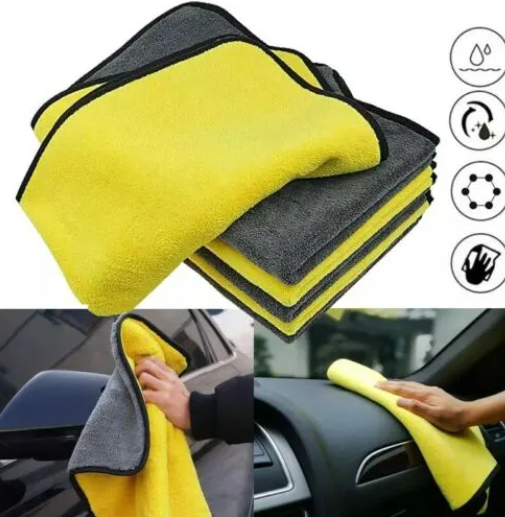
Nephot also carries other practical cleaning products in its Home & Living collection, including a Microfiber Car Cleaning Towel for situations where airflow alone is not enough.
That is probably the right way to think about a cordless air blower in Nepal.
Not as a replacement for your vacuum, broom or cleaning cloth.
Just as the tool you reach for when the dirt is loose, the space is awkward, and physically wiping everything out is more trouble than it should be.